
Automatic vs Manual: What Makes Sense for Indian Roads Today
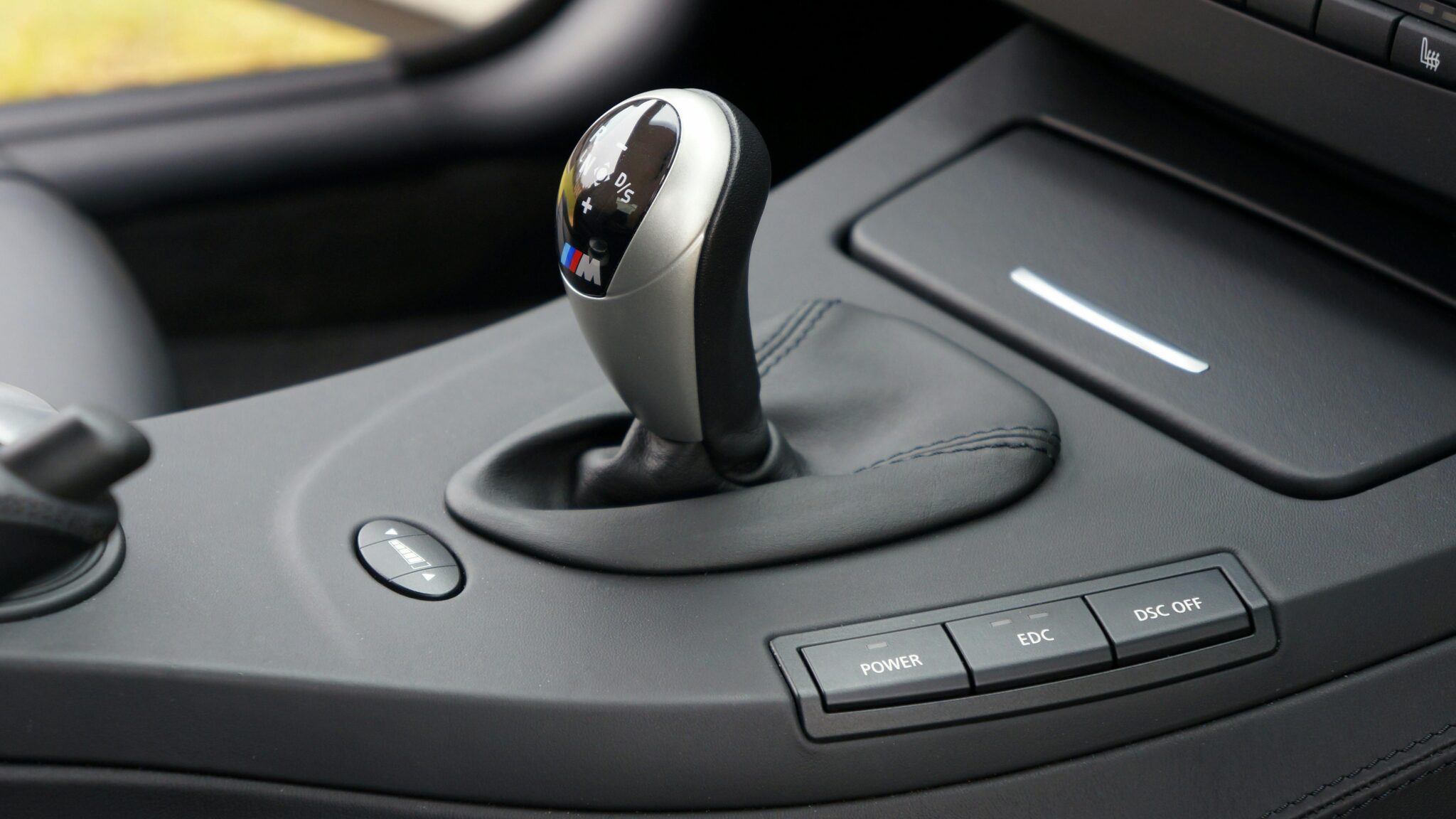
Choosing between automatic and manual transmission is a big decision in used car buying. It affects comfort, control, fuel efficiency feel, and long-term ownership cost. In India, the decision also depends on traffic, road conditions, driving habits, and who will drive the car at home. Many buyers also think about resale. Many sellers ask which type moves faster in the pre-owned market.
This blog is written for people who want to buy a used car with clarity. It is also for people who plan to sell a pre-owned car and want to understand buyer demand. We will keep it simple. We will keep it practical. We will focus on what you feel on Indian roads. We will also cover what to check during inspection and test drive.
There is no single best choice for everyone. But there is a best choice for your daily use.
First, understand the real difference
A manual car gives you full control of gear changes. You use a clutch pedal. You select gears. You decide the timing.
An automatic car changes gears on its own. You do not use a clutch pedal. You mostly use the brake and accelerator. Some automatics allow manual-style shifting, but the system still controls the core operation.
On paper, both get you from A to B. On real roads, the experience is very different.
Indian roads today: what matters most
Indian driving is unique. It mixes high traffic, narrow streets, speed breakers, two-wheelers cutting in, and sudden braking. Many drivers face long stop-and-go queues daily. Some drivers travel long highways too. Some drive in hills. Some drive in rain-heavy zones. Many travel in a mix.
So the “right transmission” is not about what is fashionable. It is about what reduces daily stress and improves confidence.
When an automatic makes more sense
1) Heavy city traffic
This is the biggest reason. In slow traffic, manual driving becomes tiring. Your left leg works continuously. Your clutch foot stays active. Your mind stays busy with constant gear changes.
An automatic reduces fatigue. You focus more on road safety and spacing. You stop and go with ease. Over months, this comfort becomes a big advantage.
If your route includes daily traffic jams, automatic is often the more practical choice.
2) New drivers and nervous drivers
Many first-time drivers struggle with clutch control. They stall. They panic. They lose confidence. Automatics remove the clutch learning curve. That makes practice easier.
If someone at home is learning driving, automatic can help them feel relaxed sooner. That is why many families now prefer automatic for daily use.
3) Senior drivers and comfort-focused drivers
For older drivers, clutch usage can cause knee strain. For comfort-focused users, automatic feels smoother in daily runs. It reduces effort.
For people who drive long hours inside the city, the comfort benefit is real.
4) Frequent short trips
Short trips mean many starts and stops. That means more gear changes in a manual. Automatic is easier for repeated short errands. It reduces stress in parking zones too.
5) Resale demand in many cities is rising
The used car market is changing. Many buyers now ask for automatic first, especially in city areas. Demand differs by region, but automatics are clearly rising in popularity.
If you plan to sell the car in a few years, an automatic can attract a wider set of urban buyers. This is not a rule everywhere, but it is a growing trend.
When a manual makes more sense
1) If you love control
Manual gives a connected driving feel. You choose the gear. You control engine braking. You can hold a gear on slopes. You can manage pickup exactly how you want.
Some people enjoy this control. If you like driving, manual can feel more engaging.
2) If your driving is mostly highway
On highways, constant gear changes reduce. Manual becomes less tiring. Many highway users feel comfortable with manual because they spend long time in one gear range.
If your daily drive is open roads with less traffic, manual can still make sense.
3) If budget is the top priority
In many models, manual versions are cheaper than automatic versions. This matters in used car price too. If you want a good car within a strict budget, manual may offer more options.
You may get a newer model year or a higher variant in manual at the same price.
4) If you want simpler repair planning
This depends on the model, but manual gearboxes are often simpler than automatics. Some automatic repairs can be costly if neglected. Manuals also need care, but repairs may be more straightforward in many cases.
If you want a low-risk maintenance approach, manual can feel safer to some buyers. Still, condition matters more than type.
5) If you drive in certain rural or rough conditions
In rough roads and unpredictable terrain, some drivers prefer manual for better control. This is common in certain regions where roads are uneven and traction changes fast.
Not all automatics are the same
This point matters a lot in pre-owned car buying. “Automatic” is a broad word. Indian used cars may come with different types.
You do not need deep technical knowledge, but you should understand the basics.
AMT (Automated Manual Transmission)
AMT is common in budget cars. It is a manual gearbox with automated clutch and shifts. It is usually fuel efficient and affordable. But it may feel jerky at times. It may pause during gear shifts. In slow traffic it still feels convenient. Many buyers accept the shift lag.
CVT
CVT feels smooth. It keeps engine rpm different from regular gear changes. Some people love the smoothness. Some dislike the “rubber band” feel during hard acceleration. In cities, CVT is often comfortable.
Torque Converter (AT)
This is a classic automatic type. It is smooth and widely used. Many users like its reliability when maintained well. It can be very comfortable in traffic.
DCT / DSG
These can feel quick and sporty. But they also demand careful maintenance. Used buyers must be extra cautious. Smoothness and history checks are important.
You do not have to mention these types on your sales page. But when you evaluate a used automatic car, the type can explain the driving feel and what to watch.
What “makes sense” depends on your daily life
Here are practical profiles. Match yourself with one.
Profile A: Daily office commute in traffic
Automatic makes more sense. Your legs will thank you. Your patience will improve. Your daily driving becomes calmer.
Profile B: Mixed city and highway with moderate traffic
Both can work. Choose automatic if traffic is regular. Choose manual if traffic is light and budget matters.
Profile C: Mostly highway driving
Manual can be fine. Automatic can still be comfortable. Choose based on your budget and preference.
Profile D: First car for family with multiple drivers
Automatic usually wins. It is easier for everyone. It reduces stall risk and stress.
Profile E: Tight budget, wants best value
Manual may give better value. You may get a newer car or better condition within the budget.
Profile F: Hilly driving and frequent slopes
Both can work. But you must test properly. For manual, check clutch health. For automatic, check hill starts and creep behaviour.
Fuel efficiency: the real truth in daily use
Many people think manual always gives better mileage. In real life, it depends on the driver and the car.
A disciplined manual driver can extract good mileage. But many drivers over-rev or ride the clutch in traffic. That reduces efficiency. An automatic can sometimes give similar results in real city use, because it shifts consistently.
In used cars, fuel efficiency is more about condition than transmission type. Tyres, air filter, service quality, and driving style matter more than many people think.
So do not decide only based on claimed mileage. Decide based on your comfort and actual usage.
Maintenance and reliability in used cars
This section is important for both buyers and sellers.
Manual maintenance points
Manual cars can have clutch wear. In traffic, clutch wears faster. Replacement cost depends on model. During inspection, check clutch bite point, slipping, and smooth shifting.
Automatic maintenance points
Automatics need smooth shifting. They need clean behaviour. Some need fluid changes. Some need careful driving habits. Used buyers should avoid cars with jerky shifts, delayed engagement, or warning lights.
When buying a used automatic, condition and service history matter a lot. A poorly maintained automatic can become expensive.
When selling a used automatic, a smooth test drive helps you get better value.
Used car inspection tips: manual vs automatic
If you are doing a used car inspection, focus on these points.
Manual inspection checklist
Clutch bite point feels normal
No clutch slip during acceleration
Gear shifts are smooth
No grinding sounds
Reverse gear engages cleanly
No heavy vibration from drivetrain
A simple clutch slip test is this. Drive in a higher gear at low speed. Press accelerator. If engine rpm rises but speed does not match, it can be slipping. Do this gently and safely.
Automatic inspection checklist
Gear engages smoothly from P to D or R
No strong delay before moving
No harsh jerks in normal driving
No warning lights on dashboard
No burning smell after drive
Smooth behaviour in slow traffic
Also test at low speed and moderate speed. Some issues show only when the car warms up.
Test drive tips: what to notice
A used car test drive is your best tool.
For manual
Feel the clutch. Feel the gear lever. Feel smoothness. Hear for noises when you press the clutch. Notice if the car shudders when starting.
A shudder can mean clutch wear or mounts.
For automatic
Feel the initial move. Feel the shift quality. Notice if the car “hunts” for gears too much. Notice if the car jerks on slow crawling.
Try a small incline if possible. Check if it feels confident.
Comfort and fatigue: the hidden cost
People often ignore fatigue. But fatigue affects safety.
In Indian traffic, manual fatigue can be real. It can reduce patience. It can reduce attention. Automatic reduces this stress.
If you drive daily in traffic, automatic often pays back through comfort. It may not show as a number, but it shows in your daily mood.
Safety and control: common doubts
Some people feel manual is safer because they control gears. Some feel automatic is safer because you focus more on the road.
The truth is simple. Safety depends on condition and driver skill. A well-maintained automatic with good brakes and tyres can be very safe. A well-driven manual can also be very safe.
If you are confused, choose what makes you calmer. Calm driving reduces mistakes.
Resale value: what matters in 2026
Resale value depends on many factors. Model. condition. kilometres. service. location. demand.
Automatic demand is rising in many places. But manual still has huge demand, especially for budget cars and non-metro markets.
So do not assume automatic always gives higher resale. It depends on the model and region. What you can do is keep the car in good condition. Keep the test drive smooth. Keep the basics working. That improves resale for both types.
Buying advice: simple decision guide
Use this simple rule.
Choose automatic if:
Your route has daily traffic
Multiple family members drive
You value comfort and ease
You are a new driver
Choose manual if:
You want the best value on budget
Your route is mostly open roads
You enjoy control and engagement
You prefer simpler mechanical feel
Then do a proper inspection. Transmission type is important, but condition is the final decision maker.
Selling advice: how to present your car better
If you are selling a pre-owned car, your test drive experience matters.
For manual sellers:
Keep clutch smooth. Avoid jerky starts. Keep gear shifts clean. Replace worn clutch if needed.
For automatic sellers:
Ensure shifts are smooth. Fix warning lights. Avoid presenting a car with delayed engagement.
Clean interiors. Ensure AC works well. Keep tyres good. These help your selling price.
Conclusion: what makes sense for Indian roads today
Indian roads demand patience and flexibility. If your daily life includes traffic and stop-and-go driving, automatic can be a comfort upgrade that feels worth it. If your priority is best value and control, and your driving is smoother roads, manual can still be a smart choice.
There is no “one winner.” There is only the best fit for your routine.
If you want help choosing a car that fits your daily use, you can visit Rajlakshmi Enterprises for a clear evaluation. A calm decision leads to a happier ownership.