
How to Spot Accident Repair Signs During a Quick Inspection
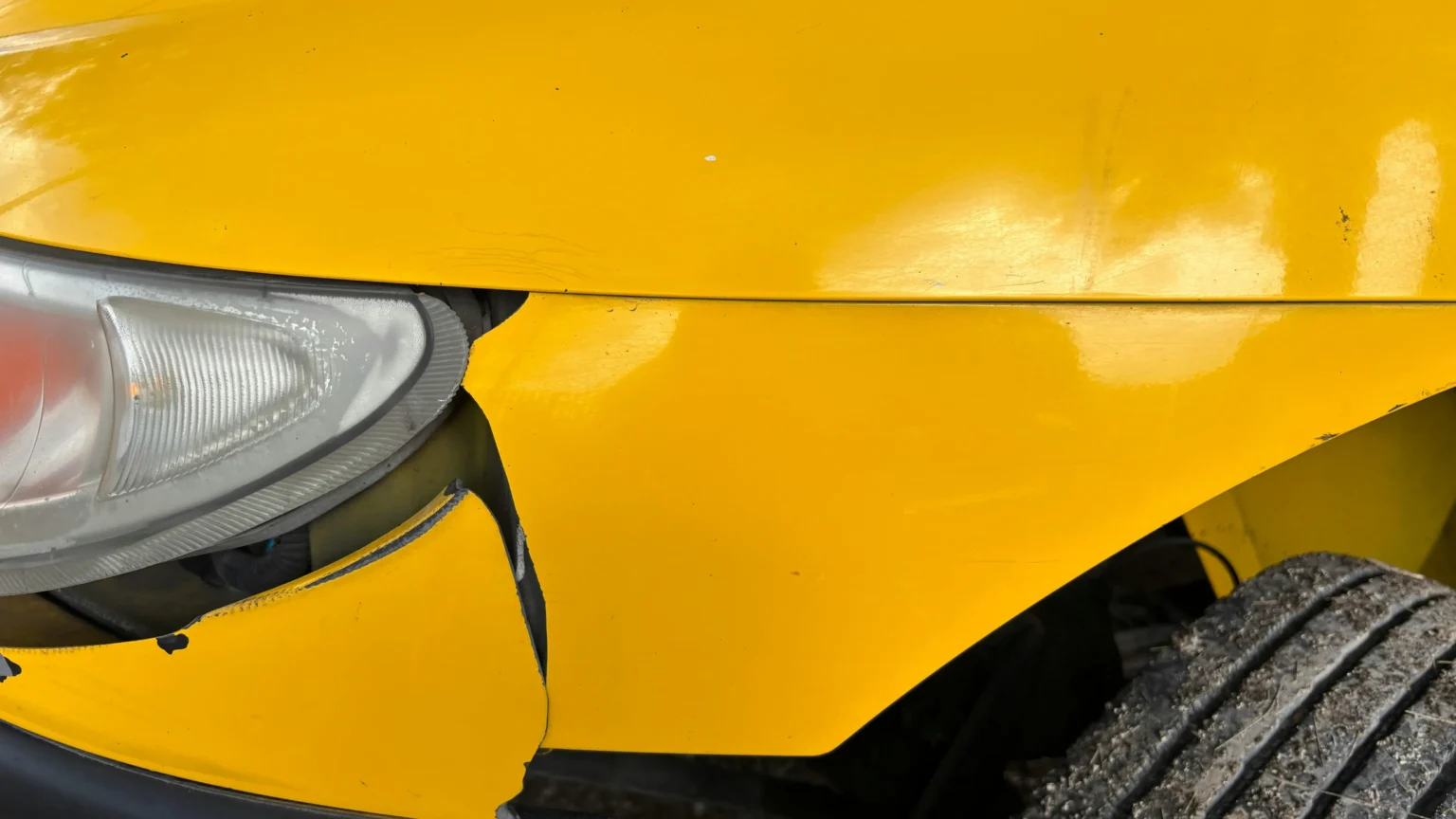
Buying a used car can be a smart decision. It can also turn into a costly mistake if you miss past accident repairs. Many accident repairs look perfect at first glance. Fresh paint hides dents. New trims hide panel work. A clean interior hides a heavy impact history.
This guide helps you spot common accident repair signs during a fast inspection. It is written for people who want to buy a pre-owned car, and also for owners who plan to sell a used car and want to understand what buyers notice. These checks are simple. They do not require special tools. They only require patience and a sharp eye.
Accident repairs are not always “bad.” Some repairs are minor and done properly. But major accidents can affect safety, alignment, and long-term reliability. If you can identify repair signs early, you can negotiate better or avoid the car completely.
Why accident checks matter in used car buying
A used car is judged by more than model year and kilometres. Condition matters most. Accident history can change a car’s value quickly. It can also change how it drives. A car with structural damage can feel normal at low speed. But it may pull on highways. It may wear tyres faster. It may rattle. It may age faster.
For a used car buyer, accident checks reduce risk.
For a used car seller, transparency builds trust and closes deals faster.
Quick mindset before you start
Do not inspect the car in a dark place. Avoid rain or low light. Choose a clear open space. Look at the car from different angles. Walk around slowly. Do not rush to start the engine first. Start with the body. Then move in.
If the seller keeps pushing you to “just drive it,” slow down. Good cars can wait. Bad cars need urgency.
Start with the full-body “reflection test”
Stand 6–8 feet away. Look along the car’s side. Focus on reflections. Straight panels reflect straight lines. Repaired panels often show slight waves. These waves are hard to see up close. They show up when you view the entire side.
Do this on both sides. Check the bonnet and boot too. Look for a panel that looks “too new” compared to others. A single fresh panel can be a repair sign.
Red flags:
Wavy reflections on a door or fender
A panel that looks newer than the rest
A section that looks slightly dull or slightly glossier
Check panel gaps like a detective
Panel gaps tell stories. Factory gaps are usually even. After an accident repair, gaps often change. Check the gap between:
Bonnet and fenders
Headlights and fenders
Doors and body
Boot lid and rear quarters
Bumper and body
You do not need exact measurements. You need consistency. Compare left vs right.
Red flags:
Gap is wider on one side
Door gap changes from top to bottom
Bumper sits slightly out or in
Headlight is not centered properly
Look closely at paint differences
Accident repair often involves repainting. Repaint can be good, but it leaves clues.
Color mismatch
Stand at a slight angle. Look for a shade difference. Metallic colors show mismatch more. White can also show mismatch in sunlight.
Overspray
Overspray is paint on places where paint should not be. Check rubber beading, black plastic trims, wheel arch liners, and inside door edges.
Rough finish
Run your hand lightly over the surface. Repainted areas may feel rough. Factory paint feels smoother.
Red flags:
Slight color difference between panels
Paint on rubber seals or trims
Rough texture on one panel
Paint “mist” around edges
Open doors and check the hidden edges
Many people only look outside. A quick inside-edge check reveals more.
Open each door. Look at the hinge side and latch side. Check the door frame paint. Check the area near the hinges. Check the inside sill area.
Factory paint is usually even. Repainted door frames can show tape lines. They can show uneven paint thickness. They can show slight paint dots.
Red flags:
Clear tape lines
Paint thickness looks uneven
Door frame looks freshly painted
Rubber seals show paint marks
Examine bolts and screws for tool marks
This is a powerful trick. Body panels are held with bolts. In accident repair, panels are removed or adjusted. Bolts then show tool marks.
Look at bolts around:
Bonnet hinges
Fender mounts
Door hinges
Boot hinges
Headlight mounts (if visible)
Factory bolts often have uniform paint marks. When they are loosened, paint cracks or chips around them.
Red flags:
Scratched bolt heads
Paint chipped around bolts
Different bolt color or size
Fresh paint near hinge bolts
Headlights and tail lights can reveal history
Lights are expensive. After impacts, many cars get one new headlight or tail light. Newer light assemblies look clearer and brighter. Older ones look slightly dull.
Compare left and right. Check alignment too. A repaired front-end often has a headlight that sits slightly higher or deeper.
Also look inside the light. Sometimes moisture marks appear due to poor sealing after replacement.
Red flags:
One light looks newer than the other
Uneven alignment between lights
Moisture inside a headlight
Different brand markings on left vs right
Bumper fitment tells the truth
Bumpers get repaired often. Minor bumper paint is common. But poor fitment suggests impact or careless work.
Look at bumper edges where they meet the body. Check the corners near wheel arches. Look under the bumper too.
Press gently at the bumper corners. It should not feel loose. It should not wobble.
Red flags:
Uneven gap between bumper and body
Bumper corner clips look broken
Bumper feels loose
Paint difference only on bumper (ask why)
Inspect the windshield and glass markings
Glass replacement can happen after accidents. It can also happen due to stone chips. But it is still a clue.
Most car glasses have markings with the manufacturer and year. Compare front glass with side glass. If one is much newer, ask why.
A replaced windshield with messy sealant is a concern. It can cause leaks and wind noise.
Red flags:
Different year markings on glass pieces
Messy sealant around windshield edges
Windshield sits unevenly
Water stains inside near A-pillars
Check the boot and spare wheel well
This area reveals rear accident repairs. Open the boot. Lift the mat. Look at the spare wheel well. Look at weld points. Look for fresh paint.
Factory seams are consistent. Repair seams can look uneven. You may see new seam sealer. You may see a different paint tone inside.
Also check the boot lid alignment. It should close smoothly and sit evenly.
Red flags:
Wrinkled metal in spare wheel well
Uneven weld marks
Fresh paint only inside boot
Boot lid doesn’t sit evenly
Check the engine bay for structure clues
Do a quick engine bay check. You are not checking the engine in detail here. You are checking structure and repairs.
Look at the inner fenders. Look at the radiator support area. Look for bent metal. Look for new bolts. Look for fresh paint. Look for mismatched clips.
A front accident often affects the radiator support. Repairs there can be visible.
Red flags:
Bent brackets or new brackets
Uneven seams on inner fenders
Fresh paint only in a small engine bay area
Radiator support looks replaced or welded
Look for underbody impact signs
You may not have a lift. That is fine. Use your phone flashlight. Look under the front and rear.
Check the cross member area. Check the lower engine guard. Check the exhaust. Look for scraping and bends.
Some scraping is normal in Indian roads. But heavy bends and fresh welds are not normal.
Red flags:
Fresh welding marks under the car
Bent cross members
Uneven underbody coating patches
New underbody coating only in one area
Door closing sound and feel
This sounds simple. It matters. Doors on a well-aligned car close cleanly. On repaired cars, doors can feel heavy or misaligned. You may need extra force.
Test all doors. Check if they sit flush. Check if the door rubs on the frame.
Red flags:
Door needs a hard push to close
Door sits out compared to body line
Door rubs or scratches frame
Different closing sound between doors
Seat belts and airbags indicators
This is a safety check. A serious accident can trigger airbags. Repairs may hide this. Many cars will show warning lights if airbags are faulty.
Turn ignition on and watch the dashboard lights. The airbag light should come on and then go off. If it stays on, it’s a concern. If it never comes on, it can also be suspicious in some cases.
Check seat belts too. Pull them fully. A belt that does not retract properly may have been stressed.
Red flags:
Airbag warning light stays on
Dashboard has unusual warning light behavior
Seat belt retraction feels weak
Seat belts look replaced only on one side
Quick road feel checks that hint at accident damage
Now drive. Keep the test drive calm. Then do a few controlled checks.
Straight-line tracking
Drive on a straight road. Hold steering lightly. The car should track straight. If it pulls, it can be alignment, tyre, or accident-related.
Steering center
After turning, the steering should return smoothly.
Vibration
Feel the steering at 60–80 km/h if possible. Vibrations can indicate wheel issues or structural issues.
Braking
Brake gently and then slightly harder. The car should stop straight. If it pulls while braking, investigate.
Red flags:
Car pulls to one side consistently
Steering feels off-center even on straight road
Vibration at speed
Braking causes pull or wobble
Questions to ask the seller (simple but strong)
Ask questions directly. Watch the answers.
Has the car had any accident or major repair?
Which panels have been repainted?
Why was that panel repainted?
Any insurance claims made?
Any major parts replaced in front or rear?
Any alignment or tyre wear issues?
A genuine seller explains calmly. A suspicious seller becomes defensive. Or changes the story.
If you find one red flag, what should you do?
One red flag does not always mean “reject.” It means “verify more.”
If the car has minor bumper paint, it can be normal. If the car has uneven panel gaps and bolt marks, it suggests deeper work.
Here is a practical approach:
Minor signs: Negotiate price. Confirm drivability. Proceed carefully.
Multiple signs: Walk away or get a deeper inspection.
Structural signs: Avoid. Safety risk is not worth it.
Tips for sellers: how to handle accident questions honestly
If you want to sell your used car and it has repair history, do not hide it. Buyers appreciate clarity. Share what happened. Share what was repaired. Share bills if available. This builds confidence.
A well-repaired car with honesty can still sell well. Hidden repairs reduce trust and reduce price.
Final quick checklist (save this)
Check reflections and waves
Compare panel gaps left vs right
Look for paint mismatch and overspray
Inspect door edges and frames
Check bolt marks near hinges
Compare headlights and tail lights
Inspect boot spare well for welds
Scan engine bay structure
Test straight-line tracking and braking pull
Ask simple accident and repaint questions
Conclusion
Accident repair signs can be subtle. But they are not invisible. A careful five to ten minutes can save you months of regret. Use these checks whenever you evaluate a pre-owned car. If you are unsure, ask for a detailed inspection before confirming. A smart buyer checks first and pays later.
If you need help understanding what you see, visit Rajlakshmi Enterprises for a proper evaluation. A clear decision always feels better than a fast decision.