
How to Test Drive a Car Like a Pro: What to Feel, Hear and Notice
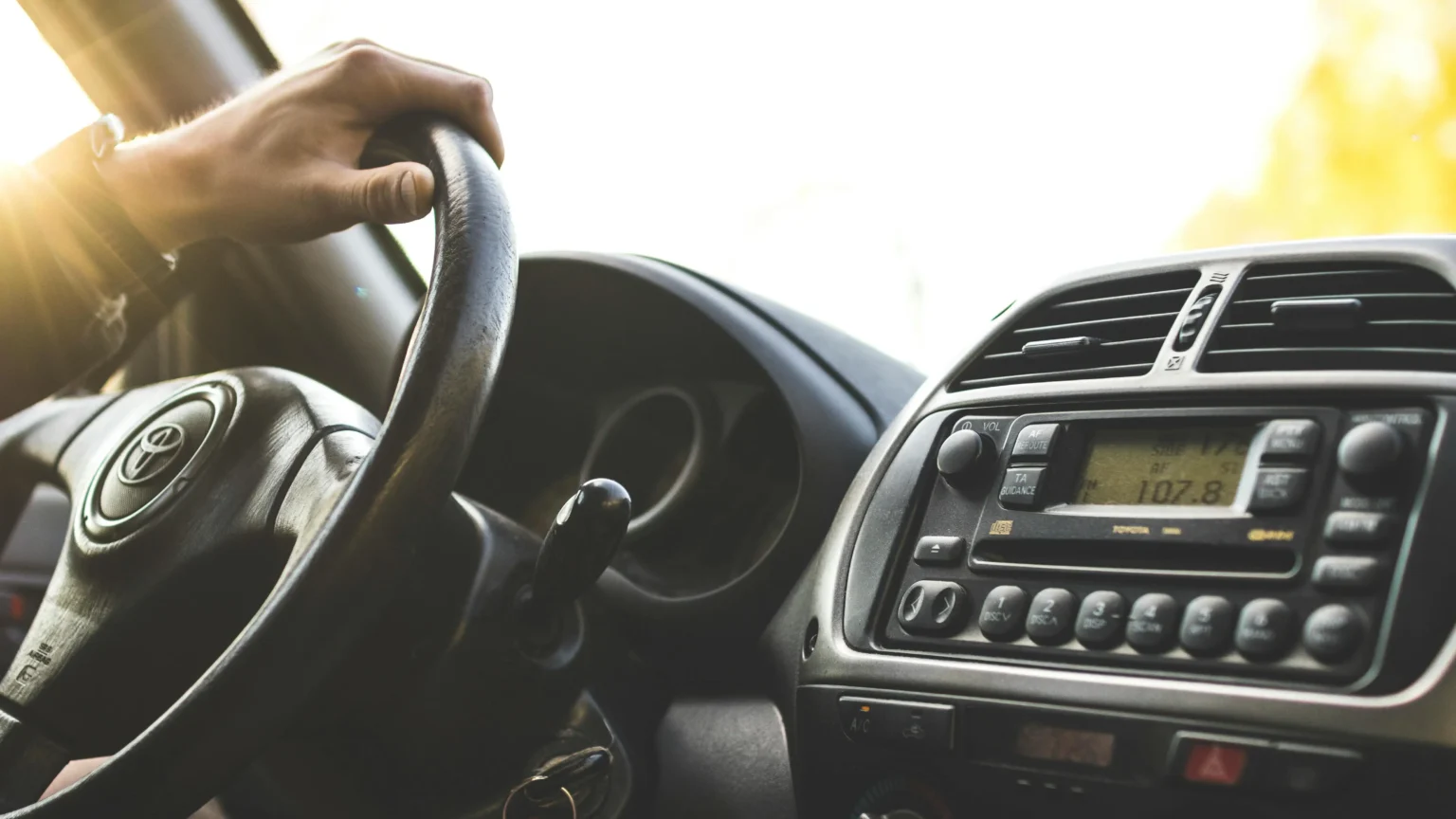
A test drive is not just a quick round. It is the most important moment in used car buying. Photos can hide problems. Fresh cleaning can hide smells. A smooth talk can hide warning signs. But the road does not lie. A short drive can tell you if the car is worth your money. It can also help you avoid future repairs.
This blog is for people who want to buy a pre-owned car with confidence. It is also useful for owners who want to sell a used car and want their vehicle to feel solid during a buyer’s drive. The steps below are simple. The sentences are short. The checks are practical. You do not need special tools. You just need attention.
A “pro” test drive has three parts. First, you observe before moving. Next, you feel the car while driving. Finally, you check again after driving. Each part matters.
Before you start: set up the test drive the right way
Choose the right place and time
Do not test drive in heavy traffic only. You need different road types. Try to include a smooth road, a rough patch, and a small open stretch. Daylight is best. Avoid late night drives. Avoid rain if possible. Wet roads hide noises and vibrations.
Keep the drive long enough
A one-minute drive is not useful. Try for 10 to 20 minutes. If that is not possible, aim for at least 8 minutes with mixed roads. Many problems show only after a few minutes.
Reduce distractions
Turn off loud music. Keep windows closed first. Then open them later. Ask the seller to stay quiet for some minutes. You need to hear the car.
Agree on basic rules
Confirm the route. Confirm where you can stop safely. Confirm who will drive first. If you are not comfortable, ask them to drive first. Then you drive.
For a used car buyer, accident checks reduce risk.
For a used car seller, transparency builds trust and closes deals faster.
Part 1: Checks before the car moves
1) Start with the cabin feel
Sit in the driver seat. Adjust the seat and steering. Check if you can find a comfortable position quickly. A car that cannot fit you will feel tiring. Check visibility. Look at the corners. Check blind spots.
Now notice the smell. A strong damp smell can suggest water leaks. A strong air freshener can hide problems. A burning smell is a big warning.
2) Check the dashboard lights
Turn the key to ignition, before starting. All key warning lights should appear. Then they should go off after the engine starts. Watch for the engine check light, ABS light, and airbag light. A light that stays on needs attention. A light that never appears can also be suspicious.
3) Check the basic controls
Test the horn. Test indicators. Test wipers. Test power windows. Test mirrors. Test the central lock. Test the AC blower and temperature change. A used car should have working basics. Small issues cost money later. They also show how the car was maintained.
4) Check the steering at standstill
With the engine on, turn the steering left and right. It should be smooth. It should not feel tight. It should not make loud clunks. A slight power steering sound can be normal. Hard jerks are not normal.
5) Start the engine and listen
Start the engine with the AC off first. Listen at idle. The idle should feel stable. The engine should not shake heavily. Now turn the AC on. The idle may drop slightly. But it should remain stable.
Listen for clicking, rattling, or loud tapping. A smooth idle sound is a good sign. A loud irregular tick needs checking.
If the seller keeps pushing you to “just drive it,” slow down. Good cars can wait. Bad cars need urgency.
Part 2: First minutes of driving
6) Check the “take-off” feel
Release the brake. Move slowly. A good car moves smoothly. If the car jerks badly, note it. For automatic cars, check if it creeps forward smoothly. For manual cars, check clutch bite point. A clutch that bites too high can be worn.
7) Listen with windows up first
Keep windows up for the first few minutes. This helps you hear cabin noises. Listen for:
Dashboard rattles
Door vibrations
Suspension knocks
Engine humming that feels too loud
A few small rattles are common in older cars. But strong knocks are not normal.
8) Check the steering center
On a straight road, hold the steering gently. The car should go straight. The steering should feel centered. If the steering is off-center, the car may need alignment. It can also hint at accident repairs. It is a key point in used car inspection.
9) Check braking at low speed
Brake gently at 20–30 km/h. The car should stop smoothly. It should not pull to one side. The pedal should not feel spongy. Now brake a little harder. Again, it should remain straight.
If you hear a squeal, it can be brake pads. If you feel vibrations, it can be discs. Both mean cost.
Part 3: Feel the car like a pro
10) Engine response
Now increase speed gradually. Feel the pickup. The engine should respond cleanly. It should not hesitate. It should not feel like it is “thinking” too long. Some lag is normal in some cars. But strong delay can be a sign of issues.
Also notice the sound during acceleration. A loud roaring can be normal at high rpm. But a harsh metallic sound is not normal.
11) Gear shifting and clutch behaviour
For manual cars, shift through all gears. Each shift should feel smooth. There should be no grinding. The clutch pedal should feel consistent. It should not feel too hard. It should not feel too soft. Notice if the clutch slips. A simple sign is rising engine rpm without matching speed.
For automatic cars, feel the gear changes. They should be smooth. Minor shift feel is normal. Strong jerks are not.
12) Steering feel on turns
Take a gentle left and right turn. The steering should feel predictable. It should not feel loose. It should not feel like it has too much “play.” Too much play can mean worn components. It can also mean poor alignment.
Take a U-turn if safe. Listen for clicking sounds. Clicking on turns can suggest CV joint issues in some cars.
13) Suspension over rough roads
Find a small rough patch or speed breaker. Go slowly. Feel how the car absorbs bumps. You should hear a controlled thud, not a sharp knock. A knocking sound can suggest worn suspension parts.
Also notice if the car bounces too much after a bump. A car that bounces can have weak shock absorbers.
14) Cabin noises and wind noise
At 50–60 km/h, listen again. Is the cabin too noisy? Some road noise is normal. But wind noise from one side can suggest door seal issues. It can also suggest previous door work.
Open a window slightly. Listen for whistling. Close it again. Repeat on the other side.
15) Vibrations at speed
On a smooth road, reach 60–80 km/h if safe. Hold the steering lightly. Feel for vibrations. If steering vibrates, it can be wheel balancing. It can also be bent rims. If the whole car vibrates, it can be engine mounts or driveshaft issues. These checks matter for used car value.
16) Check the AC while driving
Turn on the AC while driving. Notice cooling. Notice blower noise. Notice if the engine struggles too much when AC is on. A slight change is normal. A big power drop is not ideal.
Also check if there is a bad smell when AC starts. A damp smell may mean evaporator issues or water ingress.
17) Check the brakes at a slightly higher speed
If road conditions allow, brake from 50–60 km/h. Do it smoothly. The car should remain straight. The steering should not shake. The pedal should not pulse heavily.
A pulsing pedal can indicate ABS working on loose roads. But on a dry road it can also indicate disc issues. Note it for inspection.
Part 4: What to hear like a pro
A professional test drive uses the ears well. Sounds often appear before failures. Here are key sounds and what they can mean.
Engine bay sounds
Fast ticking: can be injector noise or valve noise
Deep knocking: can be serious internal wear
Hissing: can be vacuum leak or hose leak
Loud belt squeal: can be belt or pulley issue
Do not diagnose fully on the spot. Just note the sound and ask for inspection.
Suspension sounds
Clunk on bumps: can be worn link rods or mounts
Squeak: can be bushes
Metallic knock: can be more serious wear
Suspension repairs add cost. They also affect drive comfort.
Brake sounds
Squeal: pads may be worn or cheap pads used
Grinding: urgent. It can mean metal-to-metal
Thud: can mean brake or suspension movement
Cabin and dashboard sounds
Rattle on rough road: common in old cars but note the severity
Buzzing: can be loose trim
Whistle at speed: door seal or windshield seal
A clean, quiet cabin is a strong positive sign in pre-owned cars.
Part 5: What to notice with your eyes
Mirrors and rear visibility
Check mirrors for vibration. If mirrors shake too much, it can be a mounting issue or panel issue. Check reverse visibility. If possible, park once. Check reverse camera and sensors.
Exhaust smoke
If someone can watch from behind, it helps. Excess smoke can be a concern. Some light smoke at cold start can be normal. Thick smoke is not normal. Different smoke colors can hint at different issues. If you see thick smoke, ask for a deeper check.
Temperature gauge behaviour
Watch the temperature gauge. It should stay stable. It should not rise quickly. Overheating signs should never be ignored.
Part 6: After the drive: do these quick checks
18) Check for new smells
After parking, step out. Smell around the bonnet area. Smell near the wheels. A burning smell near a wheel can be brakes. A burning smell from engine bay can be leak or overheating.
19) Look for leaks under the car
Look at the ground. Check for fresh drops. A few water drops from AC is normal. Oil is not. Coolant is not. If you see leaks, ask about it.
20) Re-check the idle
Let the engine idle again. See if it stays stable after the drive. Some issues appear when the engine warms up. Listen for new sounds.
21) Check the restart
Turn the engine off. Wait a minute. Start again. A healthy car should restart easily. Hard starting can suggest battery or starter issues.
Part 7: The best questions to ask after a test drive
Ask simple questions. Keep them direct. The answers matter.
When was the last service done?
Any recent major repairs?
Any accidents or major panel work?
Any pending issues you already know?
Any warning lights ever came on?
Why are you selling the car?
What parts were recently replaced?
In buying and selling used cars, honesty saves time. If answers are unclear, be cautious.
When to walk away during a test drive
Some problems are negotiable. Some problems are not worth it.
You can negotiate if
Tyres are worn
Brake pads need replacement
Minor rattles exist
Battery is weak
AC needs basic service
You should avoid if
Strong pulling to one side
Heavy vibration at speed
Overheating signs
Major warning lights on dashboard
Loud engine knock
Gearbox slipping or harsh jerks
Signs of structural accident damage
A bad car is expensive even if the price is low. A good car feels calm and predictable.
Tips for sellers: make your car test-drive ready
If you want to sell your used car faster, a good test drive helps. Keep these ready:
Clean cabin and clear smell
Correct tyre pressure
Smooth brakes
No loose items rattling
Basic lights and wipers working
Service records if available
A buyer trusts a car that feels maintained.
Conclusion: test drive is your strongest tool
A test drive is not about speed. It is about observation. Feel the steering. Feel the braking. Notice vibrations. Listen for knocks. Watch the dashboard. Check after the drive. These steps help you choose a better car and protect your budget.
If you want a guided evaluation before buying, visit Rajlakshmi Enterprises. A careful decision today can save you many repairs tomorrow.