
Petrol vs Diesel vs CNG: Which One Fits Your Daily Use in 2026?
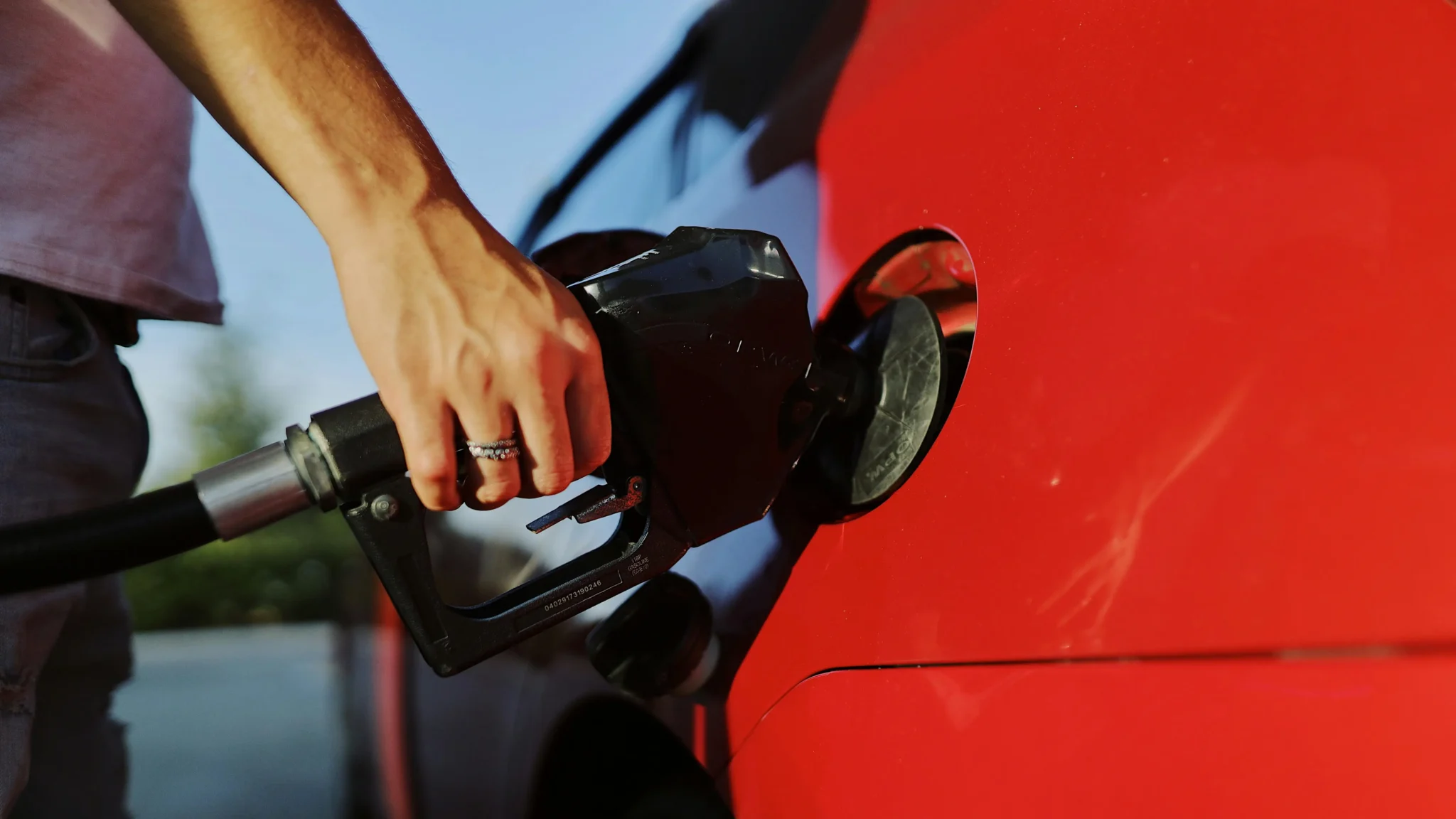
Choosing the right fuel type is one of the biggest decisions in used car buying. It affects your running cost. It affects your driving comfort. It affects resale value too. In 2026, the choice is not only about mileage. It is also about where you drive, how far you drive, and what rules apply in your region.
Many people search for “best used car fuel type in India” and get confused. Petrol feels simple. Diesel feels strong. CNG feels economical. But each option has trade-offs. Your “best” choice depends on your daily routine. It depends on your city. It depends on your monthly kilometres. It also depends on fuel availability in your area.
This guide is written for people who want to buy a pre-owned car smartly. It also helps owners who plan to sell a used car or evaluate their car value and want to understand what buyers prefer in 2026.
Start here: 5 quick questions to decide faster
1) How many kilometres do you drive per month?
If you drive low, fuel savings may not matter much. If you drive high, fuel cost becomes a major factor.
2) Where do you drive most?
City traffic is different from highways. Fuel types behave differently in stop-and-go driving.
3) Do you want quick pickup or relaxed driving?
Some people want strong pulling power. Some want smooth and quiet performance.
4) Do you plan to keep the car long, or sell soon?
Fuel type impacts resale. It also impacts future demand.
5) Do you have easy access to CNG stations?
CNG only works well when refuelling is convenient.
Keep these answers in mind. The rest of the blog becomes easy.
Petrol cars in 2026
Why petrol still stays popular
Petrol cars are the easiest choice for most daily users. They are simple to own. They feel smooth. They are usually quieter than diesel. They also have wide availability in the used car market.
In 2026, petrol is still the “default” for buyers who drive moderate distances. It also suits people who want lower complexity and fewer fuel-specific concerns.
Petrol is best for you if
You drive low to medium kilometres each month
Your driving is mostly city-based
You want quiet and smooth driving
You want easier maintenance planning
You want strong resale demand in many cities
Petrol: what you should watch in used cars
Petrol engines can be very reliable. But poor maintenance can still cause issues. During used car inspection, watch for:
Rough idle
Engine misfire feeling
Poor pickup
Warning lights
Strong smoke or fuel smell
Also check service history if available. Petrol cars that were driven gently often age well.
Petrol resale in 2026
Petrol has broad resale demand. It also avoids some diesel-related restrictions seen in certain regions. In Delhi-NCR, end-of-life age restrictions have been a major topic for diesel and petrol vehicles, especially older emission categories.
Even if you are not in NCR, resale sentiment across India is influenced by such rules.
Diesel cars in 2026
Why diesel still makes sense for some users
Diesel engines are known for torque. They pull strongly. They feel relaxed on highways. They often suit long-distance users well. Many commercial and heavy users still prefer diesel.
But in 2026, diesel buying needs more thinking than before. Some cities have tighter enforcement on older diesel vehicles. The perception risk affects resale in certain markets.
Diesel is best for you if
You drive high kilometres every month
You do frequent highway runs
You carry more passengers or load often
You want strong low-end power
You can maintain the car properly
Diesel: what you should watch in used cars
Diesel cars can be great. But repairs can be costlier if the car was abused. During evaluation, pay attention to:
Excess smoke under hard acceleration
Loud knocking sounds
Turbo lag that feels unusual
Injector-related roughness
Weak pickup compared to similar cars
Also check if the car has been running mostly in short city trips. Diesel engines often prefer longer runs. Short runs can lead to more deposits over time.
Diesel resale in 2026
Diesel resale depends heavily on location and vehicle age. Some regions have stronger scrutiny on older diesels. NCR’s age restrictions are a widely discussed example.
If you plan to sell soon, consider local demand first. In many non-metro areas, diesel demand remains strong. In some metro markets, buyers are more cautious.
CNG cars in 2026
Why CNG is growing
CNG is popular for running-cost savings. It suits high-usage city driving. It is also seen as a cleaner fuel option. India’s city gas distribution network has been expanding, with policy and infrastructure growth continuing across many districts.
Tamil Nadu also announced a City Gas Distribution policy with targets that include a large number of CNG stations over time.
This expansion supports wider CNG adoption in more areas.
CNG is best for you if
You drive high kilometres inside the city
Your route has reliable CNG access
You want lower running cost per km
You can accept slightly lower performance
You are okay with boot space reduction (in many kits)
CNG: what you should watch in used cars
CNG can be safe and reliable when done right. But installation quality matters a lot. When you evaluate a CNG used car, focus on:
Smooth petrol-to-CNG switching
No strong gas smell
Stable idle on CNG
Clean wiring and neat fitment
Proper documentation and approvals (as applicable)
Also check the boot area. Many CNG cars lose some luggage space. If your family travels a lot, this can matter.
CNG availability matters more than price
The best CNG car is useless if refuelling is difficult. Check the nearest CNG stations on your daily route. Also check station crowding at peak times.
For reference, IndianOil has published CNG price and location information that includes places like Tenkasi in Tamil Nadu.
Use such official sources or reliable station lists when planning.
2026 reality check: rules and future thinking
Emissions standards and city policies
In India, emission compliance has tightened over the years. BS6 Phase 2 and Real Driving Emissions requirements have been in effect for new vehicles since April 2023, raising the baseline for what “newer compliant” means.
For used cars, this matters in a different way. Newer compliance usually improves future acceptance. Older emission categories may face stricter control in some regions over time.
Age restrictions and enforcement
Delhi-NCR’s end-of-life restrictions (often discussed as 10-year diesel and 15-year petrol) show how local policies can influence ownership and resale.
Even if you do not live there, buyer mindset across India is influenced by such headlines.
So, always check your local RTO rules and city enforcement trends before choosing.
Daily-use scenarios: pick the fuel type that fits
Scenario A: Daily city drive under 30 km
Best fit: Petrol or CNG
If your usage is light, petrol is simple. If your usage is heavy even inside the city, CNG can save money if stations are nearby.
Scenario B: Daily city drive 40–80 km
Best fit: CNG (if accessible) or diesel
If you drive a lot each day in the city, CNG can be cost-effective. Diesel can also work, but only if the car is well-maintained and city policies are not a concern.
Scenario C: Mixed city and highway, 800–1200 km per month
Best fit: Petrol or diesel
Petrol feels smooth for mixed use. Diesel can make sense if your highway share is high and you drive longer stretches.
Scenario D: Frequent highway runs, long trips, heavy usage
Best fit: Diesel
Diesel’s torque and cruising comfort can suit long-distance driving. But choose carefully based on vehicle condition and local policy comfort.
Scenario E: Tight running-cost focus with predictable routes
Best fit: CNG
If your route passes reliable CNG stations and your boot space needs are manageable, CNG can be a strong daily-use choice.
Used car buying: fuel-wise checklist
Petrol used car checklist
Smooth idle and clean acceleration
No engine warning lights
AC works without heavy power drop
No strong oil smell or smoke
Service history is a bonus
Diesel used car checklist
Minimal smoke under hard acceleration
Stable idle and no harsh knocking
Smooth gear shifts and strong pull
No overheating signs
Tyres wearing evenly (alignment matters)
CNG used car checklist
Smooth switching between fuels
No gas smell in cabin or boot
Stable idle on CNG
Neat installation and clean wiring
Documents in order as applicable
Used car selling and valuation: what buyers prefer in 2026
If you are planning to sell your used car, fuel type influences buyer interest. Here is a simple trend view:
Petrol sellers: what to highlight
Low running and clean maintenance
Smooth engine and quiet cabin
Good tyres and strong AC
Petrol buyers often value comfort and simplicity.
Diesel sellers: what to highlight
Highway comfort and pulling power
Stable engine and clean smoke behaviour
Strong service upkeep
Diesel buyers often value durability and performance.
CNG sellers: what to highlight
Reliable switching and smooth running
Clean installation quality
Practical savings for daily running
CNG buyers value economics and station access.
For car evaluation, buyers also observe how honestly you explain your usage. Transparency helps deals close faster.
What about hybrids and EVs?
Some buyers ask this in 2026. Hybrids and EVs are growing in India. But this blog is focused on petrol, diesel, and CNG because they dominate the used market in many towns and districts.
If you are buying in Tier-2 or Tier-3 areas, charging access and service support can still be a deciding factor for EVs. Many buyers still choose petrol, diesel, or CNG for practical convenience.
Simple decision formula (use this)
If you want a one-line decision method, use this:
Low to medium monthly km + simplicity: choose petrol
High monthly km + highway comfort: consider diesel (check city rules)
High monthly km + city use + CNG access: choose CNG
Then verify the specific car condition. Fuel type is only half the story. Vehicle condition is the other half.
Conclusion: choose what fits your routine, not trends
In 2026, there is no single best fuel for everyone. Petrol is easy and widely accepted. Diesel is powerful for long-distance users but needs location awareness. CNG is economical when station access is strong and the car is properly set up.
If you want help choosing the right option for your daily routine, start with your monthly kilometres and your route. Then shortlist cars that match. Finally, inspect and test drive before confirming.
At Rajlakshmi Enterprises, we guide customers who want to buy, sell, or evaluate used cars with clear explanations. A good choice today saves money and stress tomorrow.