
Tyres Tell the Truth: What Tyre Wear Reveals About a Car
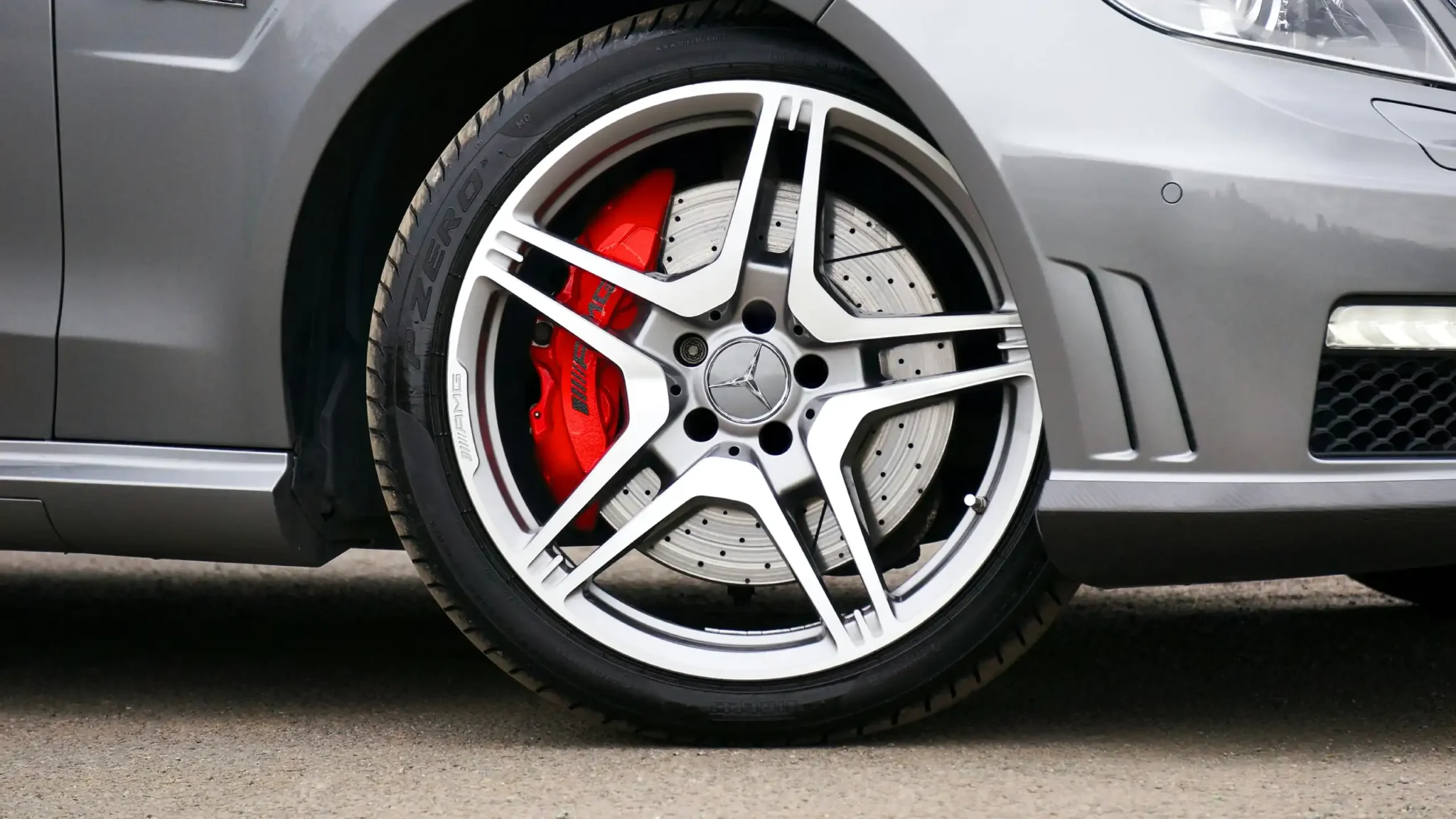
Buying a used car is not only about the engine and interiors. Many hidden problems show up first on the tyres. Tyres are like a report card. They show how the car was driven. They show how the car was maintained. They even hint at accident repairs.
Most buyers look at tyres only to see if they are “new.” That is not enough. A brand-new tyre can still hide a problem. A worn tyre can still be normal. What matters is the wear pattern. The pattern tells a story.
This blog will help you read that story. It is useful for used car buying. It is also useful for selling a used car. If you understand tyre wear, you can avoid a risky purchase. You can also price a car more fairly.
You do not need special tools. You need daylight. You need a calm mind. You need a few minutes. Let’s begin.
Why tyre wear matters in used cars
Tyres connect the car to the road. If tyres wear wrongly, something else is wrong. It can be alignment. It can be suspension. It can be steering. It can be brakes. It can even be chassis issues after an accident.
Wrong tyre wear also increases running costs. You will replace tyres sooner. You may replace suspension parts. You may keep doing alignment again and again.
Tyres also affect safety. Bad tyres increase braking distance. They reduce grip in rain. They increase chances of skidding. So tyre wear is not a “small issue.” It is a big clue.
Quick tyre check before you read patterns
Before you decode patterns, do these basics.
Check all four tyres
Do not check only one. Many cars have different wear front and rear. So check all tyres.
Check tyre size and type
All tyres should match the recommended size. Wrong size can affect handling and wear. It may also affect insurance and inspection decisions.
Check manufacturing date
Tyres have a week-year code (like 2322 = 23rd week of 2022). Old tyres can look fine but become hard and unsafe.
Check tyre pressure
Low pressure creates edge wear. High pressure creates centre wear. If the tyres are currently low, the wear pattern still matters, but pressure can confuse your reading. Ask the seller if they maintain proper pressure.
The 7 common tyre wear patterns and what they mean
1) Centre wear (middle is more worn)
What you see: The middle tread is thinner than the edges.
What it often means: Over-inflation. The tyre has been running with too much air. The centre touches the road more. The edges touch less.
Why it matters: Over-inflation can reduce grip. It can cause a harsh ride. It may show careless maintenance.
What to do as a buyer: Ask about tyre pressure habits. Check if all tyres show the same pattern. If yes, it is likely pressure habit. If only one tyre shows it, investigate more.
For sellers: Keep correct pressure. It improves comfort and tyre life. It also improves buyer trust.
2) Both-edge wear (both sides worn more)
What you see: The outer edges are worn, and the centre looks better.
What it often means: Under-inflation. Tyre runs soft. Edges carry more load.
Why it matters: Under-inflation increases fuel use. It increases heat. It can lead to tyre failure. It can also indicate poor maintenance.
What to do: Ask why pressure was low. Check if the car has a slow puncture. Check valve condition. Under-inflation also affects handling.
3) One-side wear (inner edge or outer edge worn)
What you see: One side is worn more than the other.
What it often means: Wheel alignment issue. Camber or toe is off. It can also mean worn suspension components.
Why it matters: Alignment issues can be simple. But if alignment keeps going off, there is usually a deeper cause. Worn tie rods, worn control arms, bent parts, or accident history can be behind it.
What to do as a buyer:
- Ask when alignment was last done.
- Check service bills if possible.
- Look at all tyres. If the same edge is worn on multiple tyres, alignment is likely.
- During test drive, check if the car pulls to one side.
- Check steering off-centre.
When to be cautious: If the wear is extreme and the seller says “It’s normal,” take it seriously. It is not normal.
4) Feathering (tread feels sharp in one direction)
What you see: When you run your hand across the tread, it feels smooth one way and sharp the other way.
What it often means: Toe misalignment. The wheels are not pointing straight. They are slightly turned in or out.
Why it matters: Toe issues create noise and fast wear. They also affect stability. On highways, the car may feel “nervous.”
Buyer action:
- Test drive at 60–80 km/h if safe.
- Feel if the car wanders.
- Listen for tyre humming noise.
- Ask for alignment check before final payment.
5) Cupping or scalloping (patchy dips around tyre)
What you see: High and low spots around the tyre. It looks like small scoops.
What it often means: Suspension issue. Often worn shock absorbers. Sometimes worn bushes or wheel bearings.
Why it matters: This is a strong warning sign. It is not a small alignment matter. Suspension repairs can be costly. The ride may feel bouncy. Braking may feel unstable.
Buyer action:
- Drive over rough patches slowly and listen for knocks.
- Push down the car at each corner. If it keeps bouncing, shocks may be weak.
- Expect additional repair cost.
- If the car is otherwise good, negotiate price.
6) Flat spots (one section more worn)
What you see: A flat patch on the tyre.
What it often means: Hard braking. Or the car sat unused for long time. Or wheel lock. In some cases, it can also happen due to ABS issues or seized brakes.
Why it matters: Flat spots create vibration at speed. They also show driving habits. Aggressive braking can also mean more wear on brakes and suspension.
Buyer action:
- During test drive, check vibration at 60–80 km/h.
- Ask if the car was parked unused for months.
- Check brake condition.
- Check if the car rolls freely.
7) Uneven wear only on front tyres
What you see: Front tyres worn faster than rear, or with odd patterns.
What it often means: Normal to some extent. Front tyres handle steering and braking. But extreme wear suggests alignment or suspension or tyre rotation neglect.
Why it matters: It tells you about maintenance habits. A careful owner rotates tyres regularly. A careless owner does not.
Buyer action: Ask if tyres were rotated. Ask if alignment was done. Look at suspension noises.
Tyre wear can hint accident or chassis issues
Sometimes tyre wear is not just alignment. It can be accident repairs. After a major accident, parts can bend slightly. The car may align once, but it drifts again. Tyres wear again.
Signs that make you suspicious
- Alignment was done “many times,” but problem returns.
- Tyre wear pattern repeats fast.
- Steering is not centred.
- Car pulls strongly.
- One side tyres wear much faster.
If you notice this, check body panel gaps too. Check underbody. Check for repair marks. In used car buying, you should connect clues.
Quick test drive checks linked to tyres
Tyres tell a story. The test drive confirms it.
Check pulling
On a straight road, release steering slightly. The car should track straight. If it pulls, it can be alignment or tyre issue. Try swapping front tyres left and right in your mind. If pull changes side, tyre itself may be uneven. If pull remains, alignment or suspension is likely.
Check vibration
Vibration on steering at speed often points to balancing or bent rim. Vibration through seat can point to rear tyres or drivetrain.
Check braking stability
Brake gently then slightly harder. If the car pulls while braking, it can be tyre grip difference or brake issue.
Tyres and resale value
Tyres affect how buyers judge value. Even if the car is good, bad tyres create doubt. Many buyers reduce price immediately when tyres are near end.
For sellers
If tyres are close to end, be honest. You can either replace them and ask higher price, or keep them and price realistically. But do not hide wear.
Also, fix alignment before selling. A car that drives straight sells faster.
How to use tyre clues for negotiation
Tyres are a valid negotiation point.
If tyres need replacement soon, calculate cost. Use a realistic estimate for your tyre size. Mention it politely. Do not argue. Just show logic. Buyers who negotiate calmly win.
If tyre wear suggests suspension work, you can negotiate more. But only if you can explain the wear pattern clearly.
Mini checklist: tyre inspection in 3 minutes
- Check tread depth on all four tyres.
- Check inner and outer edges.
- Feel for feathering.
- Look for cupping.
- Check tyre age code.
- Check spare tyre.
- Check rims for bends.
- Test drive for pull and vibration.
Conclusion
Tyres reveal what sellers may not say. They show habits. They show maintenance. They show hidden problems. In pre-owned car buying, tyres are one of the most honest parts of the car. Read them well.
If you want a confident purchase, check tyre wear before you pay. If you want a quick sale, keep tyres and alignment in good condition.
At Rajlakshmi Enterprises, we guide customers through practical checks like tyre wear so decisions feel safer and clearer.